
 Today's fashion is not all about creativity and design; even creating a fashion empire demands creativity, strategy, and understanding of the market. Most of the fashion design courses are study oriented, concentrating on developing skills in creativity and technical dimension, but fail to bring up the business aspect of design.
This leaves a huge void for those students who would like to evolve beyond designing and build a profession in the domain of fashion. This is where the institute matters, the most critical one, and the question arises - which one should you opt for: a traditional design course or an MBA Fashion Design?
If you're making a more intelligent and forward-thinking choice, you want to be able to distinguish the differences.
Today's fashion is not all about creativity and design; even creating a fashion empire demands creativity, strategy, and understanding of the market. Most of the fashion design courses are study oriented, concentrating on developing skills in creativity and technical dimension, but fail to bring up the business aspect of design.
This leaves a huge void for those students who would like to evolve beyond designing and build a profession in the domain of fashion. This is where the institute matters, the most critical one, and the question arises - which one should you opt for: a traditional design course or an MBA Fashion Design?
If you're making a more intelligent and forward-thinking choice, you want to be able to distinguish the differences.
1. Creativity vs Business Understanding
The most common subject of a fashion designing course post graduation is a basic set of skills which includes sketching, garment making, understanding garment materials and design methods, etc. These skills help develop a creative base and are usually only taught in regard to the design. However, the Fashion Design MBA is a combination of creativity and business knowledge. Fashion marketing and managing, branding, consumer behaviour and retail strategy are taught. This enables them to grasp not only how to design a product, but to place and market it in a market too.2. Career Opportunities and Scope
Typically, the students from traditional fashion design courses go into jobs as a fashion designer, stylist, assistant and so on. These positions are significant but frequently have limited career advancement in the beginning. An MBA, on the other hand, can lead to a variety of positions, including brand manager, fashion consultant, merchandiser, retail manager, and more. The fashion management degree is more versatile today, with far more career avenues open to the degree holder, which is itself a fashion management degree.3. Industry Exposure and Practical Learning
One of the major areas of difference is within the sectors. Traditional courses have less emphasis on business interaction and more of a business focus on classroom learning and design practice. At NIF Global, the MBA course is structured as a fully-fledged fashion business course, involving students in case studies, real projects, and industry interaction. This practical learning experience will make students aware of the actual market challenges and will help them to be confident with the real challenges in the market.4. Salary Growth and Career Advancement
Talent alone is not sufficient to build a successful career in the fashion industry, but knowledge of business is also important. Students from non traditional courses tend to start at the lower end and work their way up the career ladder. An MBA in Fashion Design equips students from the outset to find themselves in better positions that demand more expertise. Their knowledge of management, operations, and strategy enables them to further their careers more quickly and have the best pay opportunities in the long-term.5. Entrepreneurship and Brand Building
Creating your own brand is something that many students dream of doing but, making a successful brand isn't all about designing but needs more effort. The traditional classes teach you how to make a design but don't help much with running a business. The enterprise is a vital aspect of an MBA degree, and this area is heavily covered to teach students how to scale a business and brand and obtain a budget. NIF Global trains students to put creative ideas into réalising a successful brand, making them ready to become future entrepreneurs.6. Skill Set Comparison
Traditional courses focus mainly on creative and technical skills, whereas an MBA has a more well-rounded skill set. An MBA provide students with creative ideas and knowledge in strategy, leadership, and marketing in business and decision-making. This blend makes them not only designers but also employees capable of managing, leading, and expanding the fashion industry.Conclusion
Your career goal will determine the type of fashion design course to take (a traditional fashion design course or an MBA in Fashion Design). If this is just about the creative and design aspects, then taking a traditional course might be enough. But if your goal is to scale up, lead, or get your own brand off the ground, an MBA makes good sense. The emphasis of NIF Global is on developing industry ready professionals with an eye for creativity and business. Students are equipped not only to enter the industry but to be successful and successful leaders, with the design knowledge paired with industry management expertise. In a changing fashion scene, design could begin the process, but strategy, business acumen, and innovation will make all the difference in creating lasting success.Read Other Posts

September 30, 2026
Interior Design Courses After 12th: Foundation, B.Voc or 4-Year Specialization?
Choosing a design course after 12th can feel confusing because there are many paths. Should you start with a foundation...
September 25, 2026
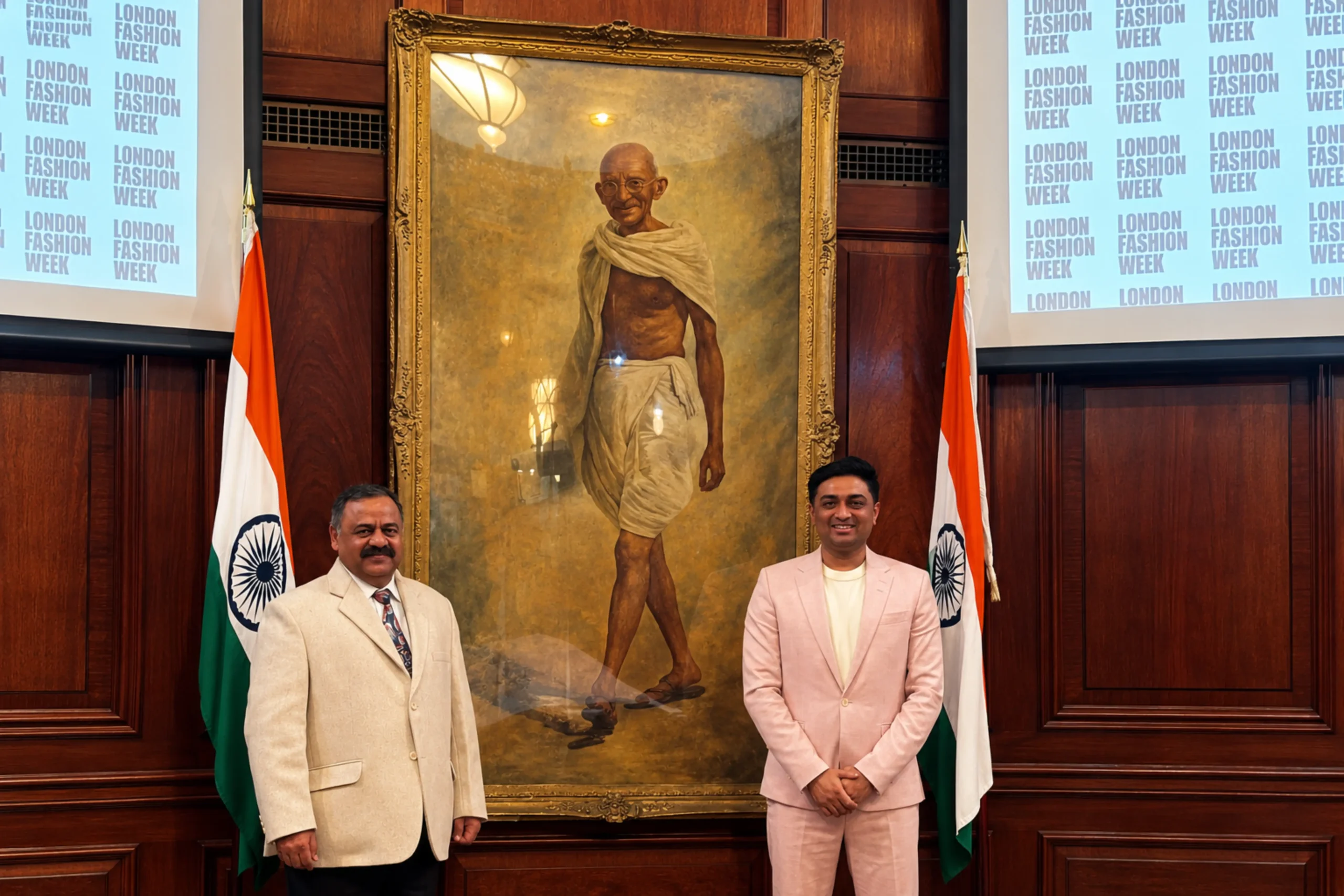
From British Parliament to Oxford: The Global Journey of Vishal Makwana and NIF Global
Fashion education is no longer about what happens inside a classroom. Today, students who want to study fashion design also...
September 20, 2026
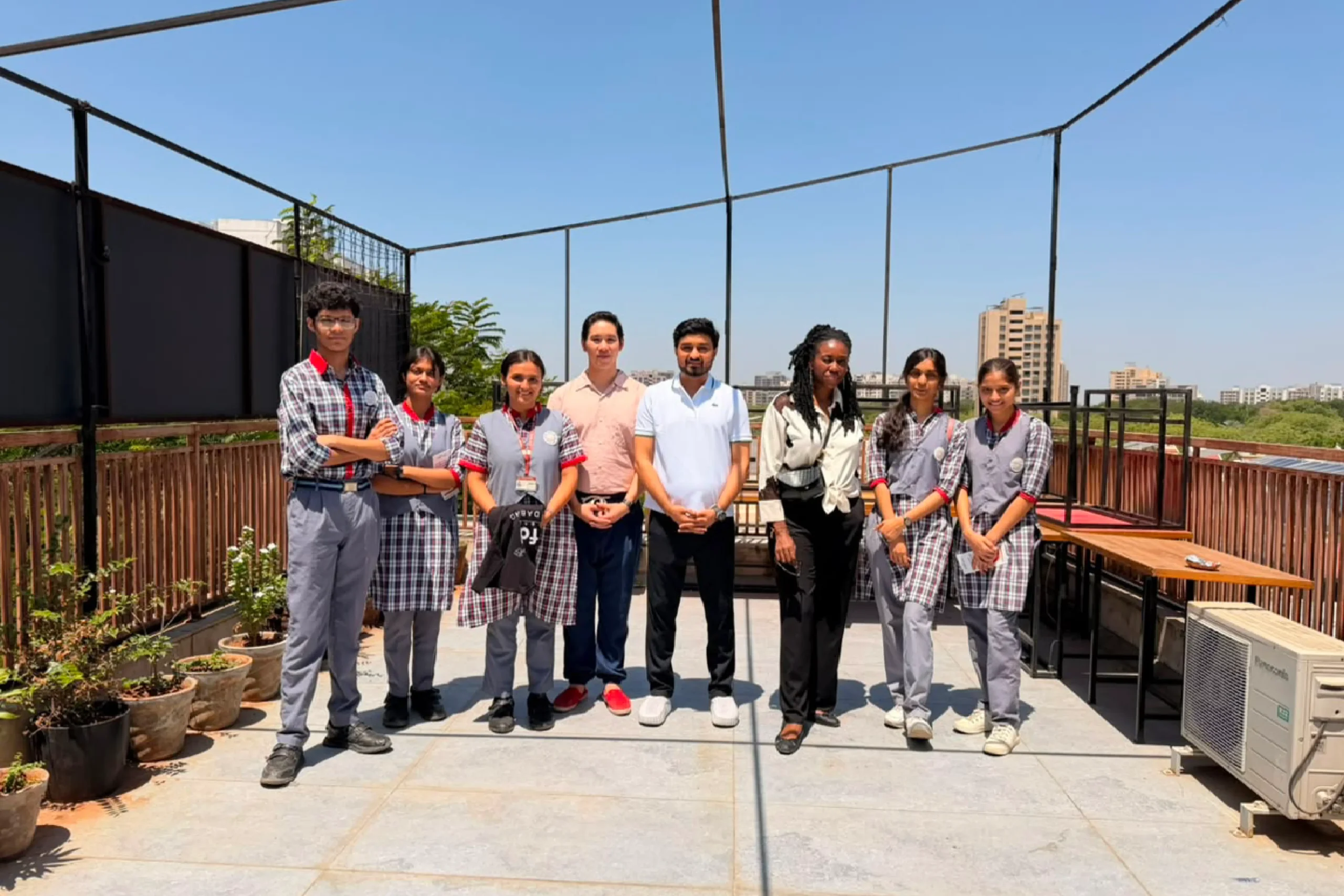
From London and Paris to Ahmedabad: A Global Fashion Exchange at NIF Global
Fashion education becomes truly meaningful when students get to learn from international mentors, artisans and industry professionals. That is exactly...